Typhoon: Understanding Nature’s Fierce Storms
When I hear the word typhoon on news, The first thing that come in my mind is safety. For me, The preparation is simple but very important. I always listen carefully to official weather updates and ready to keep an emergency kit. Over time, I have learned that even a little knowledge can make big difference. It help us stay calm instead of panicking. That is exactly why I wrote this article.
What is a Typhoon?
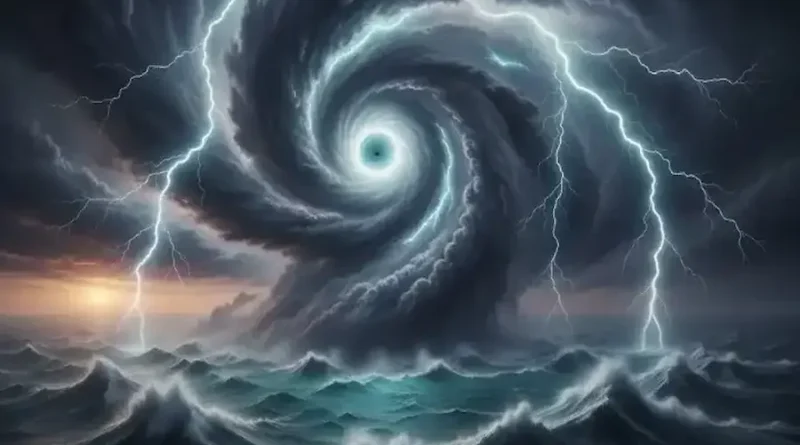
This is one of the strongest storm in nature. It form over the warm water of the Western Pacific Ocean. In other part of the world the same type of storm has different names. In the Atlantic, it’s called a hurricane. In the Indian Ocean, it’s called cyclone. At the core, they are all the same thing that huge spinning storms powered by warm ocean water. The only difference is the name which depend on the region.
How a Typhoon Forms
Every typhoon begins with heat. When ocean temperature rise above 26°C (79°F) the air above becomes hot and full of moisture. This warm air rise cool and turns into clouds. The cycle repeats again and again releasing a huge amount of hidden energy called latent heat. This energy is like fuel making the storm grow stronger until it finally becomes a typhoon.
Structure
- It is not just a storm it has a unique shape.
- At its very center is the eye, A calm round area that sometimes looks clear from above. But this calm doesn’t last long.
- Around the eye is the eyewall, Where the strongest wind and heaviest rain happen.
- Further out are the rainband, Long curved line of cloud that bring strong wind and heavy rain even far from the center.
Whenever I follow a forecast on a typhoon tracker, I pay close attention to words like eye, eyewall and rainbands. Knowing these helps me understand how strong the storm might be.
Categories
- Not all typhoons are the same. Wind Speed mainly ranked by the meteorlogists.
- When winds go above from 74 mph to 119 km/h tropical storm become a typhoon.
- If winds reach 150 mph to 241 km/h or more some agencies call it a super typhoon.
Different countries use slightly different system. For example, Japan has its own way of classifying storms, While the Philippines uses Public Storm Warning Signals to warn communities. But no matter the category is dangerous. Even a “weaker” storm can cause floods, Landslides and property damage.
Hazards Caused
They bring several serious threats:
- Storm Surge: Strong winds push seawater on to land. This flood coastal town in hours destroy houses and put lives at risk.
- Heavy Rain: Causes flash floods and landslides even far inland. Cities outside the direct path often suffer floods.
- Strong Wind: Tear off roofs, up root trees and cut power lines.
- Economic Impact: Disrupt farms, businesses and transportation.
That’s why when I see categories mentioned in Philippines reports, I treat them as serious warnings no matter what the wind speed says.
Lessons From Past Records
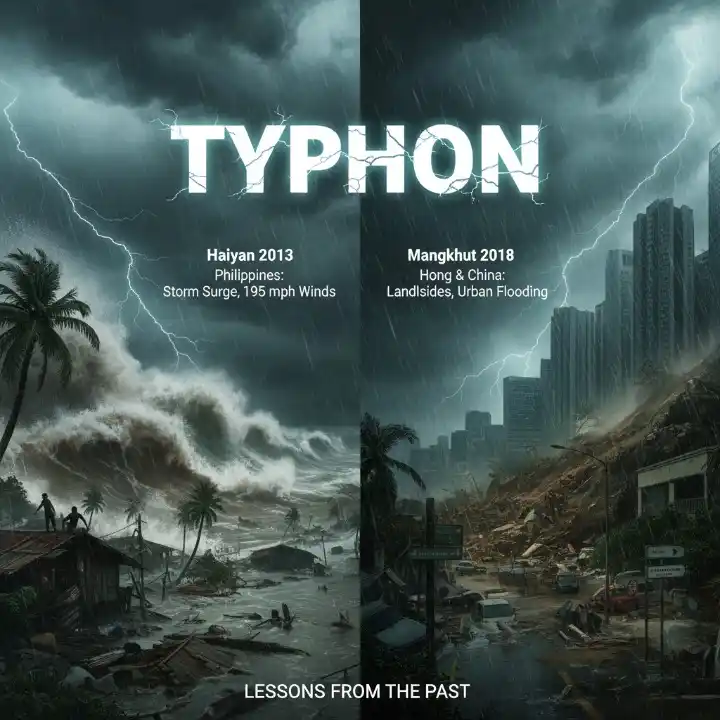
History has shown us the cost of ignoring warnings:
Typhoon Haiyan 2013: One of the most strongest storm ever recorded. It hit Philippines wind of 195 mph to 315 km/h and deadly storm surge. Over 6000 people died and million lost their homes.
Typhoon Mangkhut 2018: Affect millions of peoples in the Philippines, Hong Kong and China. Winds rains and landslides caused huge destruction.
These disaster remind me that they are not just weather event they are life changing tragedies. That’s why whenever I read updates like Typhoon Ragasa news, I take them very seriously.
The History of Typhoon Study
Long ago, People feared it but didn’t understand them. Sailors and fishermen wrote stories about ships sinking and villages destroyed but they had no way to predict storms.
Today, Science has changed everything. We use satellites radar and computer models to track storms before they hit. One tool that fascinat me is the Hurricane Hunter plane which flies into storms to measure wind speed pressure and temperature. It sounds dangerous but the data saves lives by making forecasts more accurate.
How They Affected In Different Regions
The Western Pacific has the most typhoons in every year. Philippines, Japan, Taiwan and China often face several storms in one season. That’s why people in these region always check updates like Typhoon Ragasa tracker or Typhoon today news.
It sometimes feel unfair that the same areas get hit again and again. But the effect spread worldwide can delay flights slow down shipping and even affect global trade.
The Economic Impact
- The damage is not just physical but also financial.
- Roads, bridges and power lines take years to repair.
- Farmer lose crops, businesses close and tourism suffers.
- Governments spend billions on rebuilding.
Watching Typhoon Philippines coverage made me realize these storms are not only natural events they are also huge financial challenges.
Forecasting
Forecasts today are far better than before. Satellites, radar and computer models can predict path and strength of a storm days in advance. This gives people time to prepare.
Personally, I find apps and official websites very helpful. Whenever the update appears, I check it right away. Staying information save their lives.
Safety Tips
- Preparation is the best defense.
- Keep an emergency kit with food, water, medicine and documents.
- Charge phones and devices before the storm.
- Listen only to official weather updates.
- Make a family plan: Know the nearest evacuation center and where to meet if separated.
- Small steps like these save lives when the storm arrives.
Climate Change
Scientists warn that climate change is making stronger and more frequent. Warmer oceans provide more fuel and rising seas cause worse flooding.
I have noticed that recent storms seem stronger than the ones I remember from years ago. This is why tackling climate change matters not just for nature but for peoples safety too.
The Human Side of Typhoons
Every number is a human story. Families lose their homes, children miss their schools and communities struggle to rebuild. When I read Philippines report, I think that real people behind the headlines.
But there also hope. Neighbors help each other, Communities share resource and people also rebuild together. Even after destruction human resilience shines.
Why Typhoon Matter Globally
Even if you donot live in this zone, These storms still affects you. They disrupt shipping raise food prices and even change weather pattern worldwide.
For me, This is another reason why It matter. They’re not just “someone else’s problem.” Their impact connect us all.
FAQs
Q1: What is the difference between typhoon hurricane and cyclone?
Ans: They are same type of storm but the name changes by region.
Q2: How do typhoons get their names?
Ans: They are named from a list created by the World Meteorological Organization (WMO). The names come from countries around the Pacific.
Q3: What is the strongest typhoon ever recorded?
Ans: Haiyan 2013 and Tip 1979 are among the strongest with record breaking winds and damage.
Q4: How long does a typhoon last?
Ans: It can last from a few days to more than a week depending on conditions.
Q5: Which countries are most affected?
Ans: The Philippines, Japan, Taiwan and China face it each year.
Q6: Can typhoon be prevented?
Ans: No, but forecast and preparation can reduce the damage and save lives.
Conclusion
Typhoon are the most powerful storm in nature. They bring danger but also teach us important lessons. With knowledge, preparation and respect for warning, We can face them with more confidence.
For me, Writing this was not just about fact it was about sharing what I have learned and why it matter. The next time you see a in Ragasa update or a Philippines report remember this storms are fierce but human resilience is stronger.
Also Visit FineGLob for more quality informative content.