
Rapture: A Complete Guide for Everyone
The first time I heard the word rapture, I wasn’t sure if it was meant to be hopeful or frightening. Later, I realised it’s more than an end-times debate it’s a belief that encourages people to live with faith, purpose, and readiness.
That’s why I’m writing this guide. Many people search for terms like Rapture 2025 or read event news stories predicting dates. But the heart of the teaching isn’t about guessing the year. It’s about understanding what the rapture means and why it still matters today.
What Does Rapture Mean
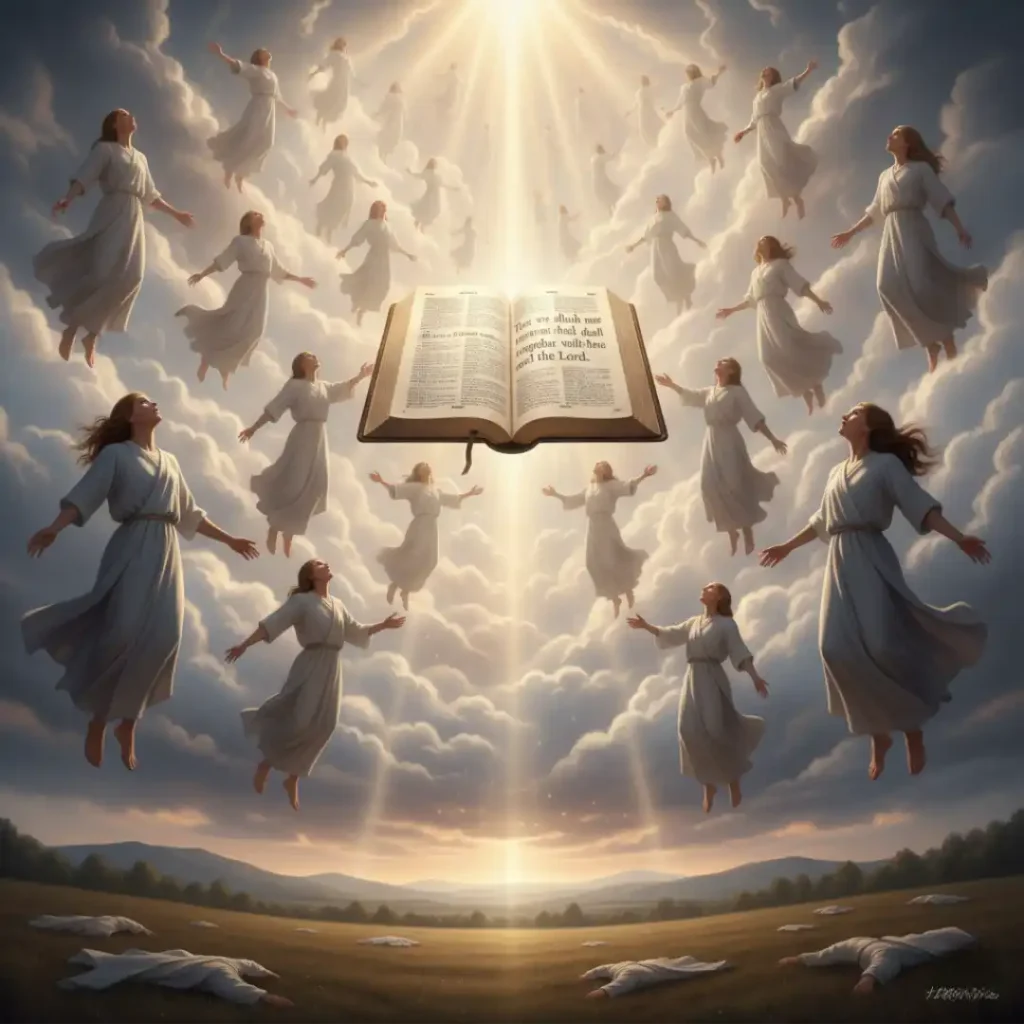
The word rapture comes from the Latin rapere, which means “to carry away.” In Christian teaching, it describes the moment when believers will be taken from Earth to be with Jesus.
I first learned the word outside of church in a novel. That showed me how deeply the idea has shaped culture as well as religion. To me, the belief is about more than language. It’s the powerful picture of being lifted out of hardship into something better.
The Rapture in the Bible
When people look up the word meaning, they usually land on two key passages:
- 1 Thessalonians 4:16–17 the well-known Thessalonians rapture verse, where Paul says believers will be “caught up” to meet the Lord in the air.
- 1 Corinthians 15:51–52 which describes a sudden change happening “in the twinkling of an eye.”
The word “rapture” itself never appears in English Bibles. It comes from the Latin word rapiemur, used in an early translation. Still, these verses form the foundation of the belief.
So what do Christians think about when this event might happen?
Different Views About Timing
“Not all Christians agree on when this event might happen.”
| View | What It Means | Believers in this view say… |
|---|---|---|
| Before the trouble | Believers are taken before a time of worldwide hardship. | They avoid suffering. |
| During the trouble | Believers are taken halfway through. | They face some problems but not the worst. |
| After the trouble | Believers are taken at the end when Jesus returns. | They endure hardship first. |
I’ve heard plenty of debates about which view is right. Personally, I don’t think the exact timing is the most important part. The promise that believers will be with Christ is what matters most.
Connection to End Times Teachings
“This teaching is often linked to bigger end-time events” a time of worldwide trouble, the return of Jesus, and final judgment.
I remember the first time I saw detailed prophecy charts they felt overwhelming. Over time, I’ve come to believe the rapture is less about decoding timelines and more about the message: stay ready, no matter when it happens.
Signs of the Ending: What Do People Expect?
One of the most common questions people ask is about the signs of this event. The Bible doesn’t give specific signs itself. Paul describes it as sudden and without warning.
Still, some connect it to broader end-time warnings like wars, disasters, or moral decline. Whenever global crises unfold, people ask if the rapture is happening. My view is that it’s better to focus on faith and hope than on fear of signs.
Why this Event Matters for Daily Life
This hope isn’t just about the future it shapes how many people live today.”. When life feels unstable, the belief offers comfort and direction.
For me, it’s a reminder to live with kindness and focus on what matters. Even if this doesn’t happen in my lifetime, the mindset of readiness makes life richer and more purposeful.
Denominational Perspectives
Different Christian groups approach in different ways:
- Evangelical Protestants often teach it as a literal event.
- Catholics and Orthodox Christians don’t teach a separate rapture. They focus on the resurrection and Christ’s return at the end of time.
- Non-denominational churches may blend different views, depending on their teaching.
I grew up hearing one view, but I’ve learned to respect the variety. What unites all traditions is the shared belief that Jesus will return.
How the Idea Developed in History
The earliest Christians spoke about Christ’s return but not about a separate event. The teaching as many know it today gained popularity in the 1800s through preacher John Nelson Darby and the Plymouth Brethren movement.
My first real exposure, though, wasn’t history it was pop culture. I remember seeing a movie that left me more nervous than inspired. Later, reading scripture myself gave me a calmer perspective.
The Rapture in Culture
The rapture has appeared in movies, books, and TV for decades. The Left Behind series and other movies often show sudden disappearances and global chaos.
Music has also played a role. Many gospel and Christian artists have written songs filled with warning, hope, or longing. These cultural echoes show how deeply the idea has reached beyond churches.
Current Debates
Today, some Christians see the rapture as a literal event, while others view it symbolically. Every so often news store appears when someone claims to know the date. But scripture says no one knows the hour.
I think it’s fine to debate the details as long as we don’t lose sight of the main message: the call to live with faith and readiness.
Criticisms and Misunderstandings
Critics point out two main issues. First, the word “rapture” comes from Latin, not the original Bible text. Second, the teaching of a pre-tribulation rapture only became popular in the 1800s.
Some also say it’s been misused to spread fear. I think those criticisms are worth acknowledging. Still, I see this as more about hope than fear.
Real-Life Impact
Belief in this event has shaped how many people live. Some feel urgency to share their faith, while others find comfort when life is hard.
For me, it’s a reminder not to hold on too tightly to temporary things. Instead, I focus more on relationships, faith, and values that last.
Personal and Spiritual Meaning
For me, it is about hope. It tells me that no matter how uncertain life is, there’s something greater ahead.
Even outside of Christianity, the idea resonates. Most people can relate to longing for renewal or freedom from hardship. That’s why the rapture continues to spark interest far beyond church walls.
Everyday Talk
The word rapture often shows up in everyday conversation, sometimes to describe sudden change or even joy.
That casual use shows how the idea has entered common language. Even if people don’t fully know its meaning, it still sparks curiosity about the future.
FAQs
Q1: Is the word “rapture” in the Bible?
Ans: No. It comes from the Latin rapiemur in an early translation of 1 Thessalonians 4:17. English Bibles use “caught up.”
Q2: Who will experience the rapture?
Ans: Most Christians believe it’s for followers of Christ, though groups differ on the details.
Q3: How is the rapture different from the second coming?
Ans: Many Protestants separate them: the rapture is meeting Christ, the second coming is His return to rule. Catholic and Orthodox traditions see only the second coming.
Q4: Why do some Christians not believe in the rapture?
Ans: Some see it as a modern teaching, not something from the early church.
Q5: Are there signs before the rapture?
Ans: The Bible doesn’t list signs. It says the rapture will be sudden. Other end-time prophecies mention wars, disasters, and unrest.
Conclusion
I didn’t write this to settle every debate. My goal is to make the rapture easier to understand and less confusing. For me, it’s not about fear but about living with hope and readiness.
If you’re new to the topic, I’d recommend starting with the Thessalonians rapture verse in the Bible. Read it for yourself, think about what it means to you, and don’t get caught up in predictions like Rapture 2025.
This event reminds us that life is bigger than the present moment and that’s something worth holding onto.
Also Visit FineGLob for more quality informative content.