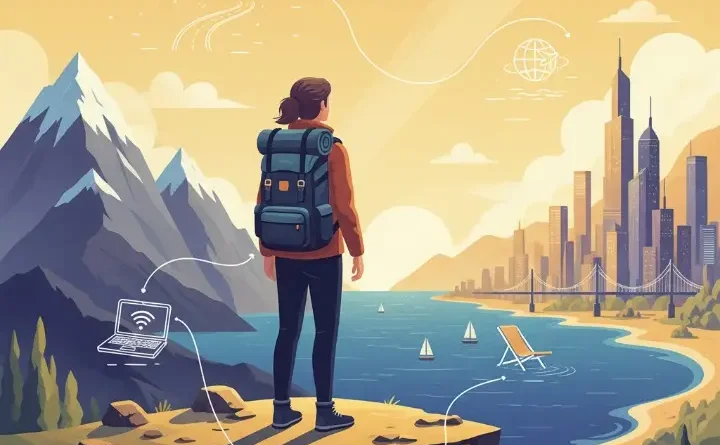
Nomadic Lifestyle: Freedom, Flexibility, and a New Way of Living
Introduction
The nomadic lifestyle is all about living with freedom, moving from place to place, and shaping life outside the traditional routine. If you’ve ever wanted more flexibility, fewer limits, and a chance to make the world your home, this lifestyle can show you what that feels like. In this article, we’ll explore what it really means to live as a nomad, why so many people choose it, and how you can start thinking about it in your own life.
What Does It Mean to Live a Nomadic Lifestyle?
Living a nomadic lifestyle means not staying in one fixed location for long. Instead of building life around one house or city, nomads carry their essentials and move to new places based on work, weather, culture, or personal goals. Some nomads live in vans or RVs, others in tents or yurts, while modern digital nomads often stay in short-term rentals while working online.
This way of life is not only about constant travel. It is also about flexibility, choosing where you want to be, and valuing experiences over possessions. Many people also search for this lifestyle because it gives them the chance to explore the world without waiting for retirement or long holidays.
The Roots of Nomadism
Nomadism is not new. For thousands of years, people moved with the seasons to find food, water, and safe shelter. Traditional nomadic tribes still exist in parts of Africa, Asia, and the Middle East, keeping alive their heritage of herding animals and living lightly on the land.
Today’s nomads are very different. With the internet, portable technology, and global travel options, people can work from anywhere. This has created a new group of nomads: the digital nomads. They don’t move for survival but for freedom, adventure, and the chance to blend work with travel.
Why People Choose the Nomadic Lifestyle
The main reason people are drawn to nomadism is freedom. Living without being tied to one place feels liberating. It means being able to see new cities, meet people from different cultures, and shape each day according to your own rhythm.
Another reason is cost. Some nomads choose countries where living is affordable, while earning income in stronger currencies. For example, earning online in dollars or euros while living in Southeast Asia can stretch a budget much further. This makes the lifestyle more sustainable than many people expect.
The Benefits of a Nomadic Life
A nomadic lifestyle brings countless benefits. You get to experience different cultures firsthand, taste unique foods, and learn new languages. You also learn to adapt quickly because every new place brings fresh challenges and surprises. These experiences build resilience and open-mindedness.
Another big benefit is minimalism. Living on the move forces you to keep only what you truly need. This creates a simpler life with fewer distractions and more focus on what matters: personal growth, relationships, and meaningful work. Many people also search for this lifestyle because it offers balance between freedom and simplicity.
The Challenges No One Talks About
While nomadic life looks exciting on social media, the reality can be tough. Constant travel can feel exhausting. Finding stable internet or safe housing in new places sometimes turns into a struggle. Health care, legal documents, and visas also require planning.
Loneliness is another challenge. Moving often means saying goodbye to friends and starting over again and again. Building community as a nomad takes effort, and not everyone finds it easy. Still, those who prepare well and build supportive networks often say the benefits outweigh the hardships.
Money and Work on the Road
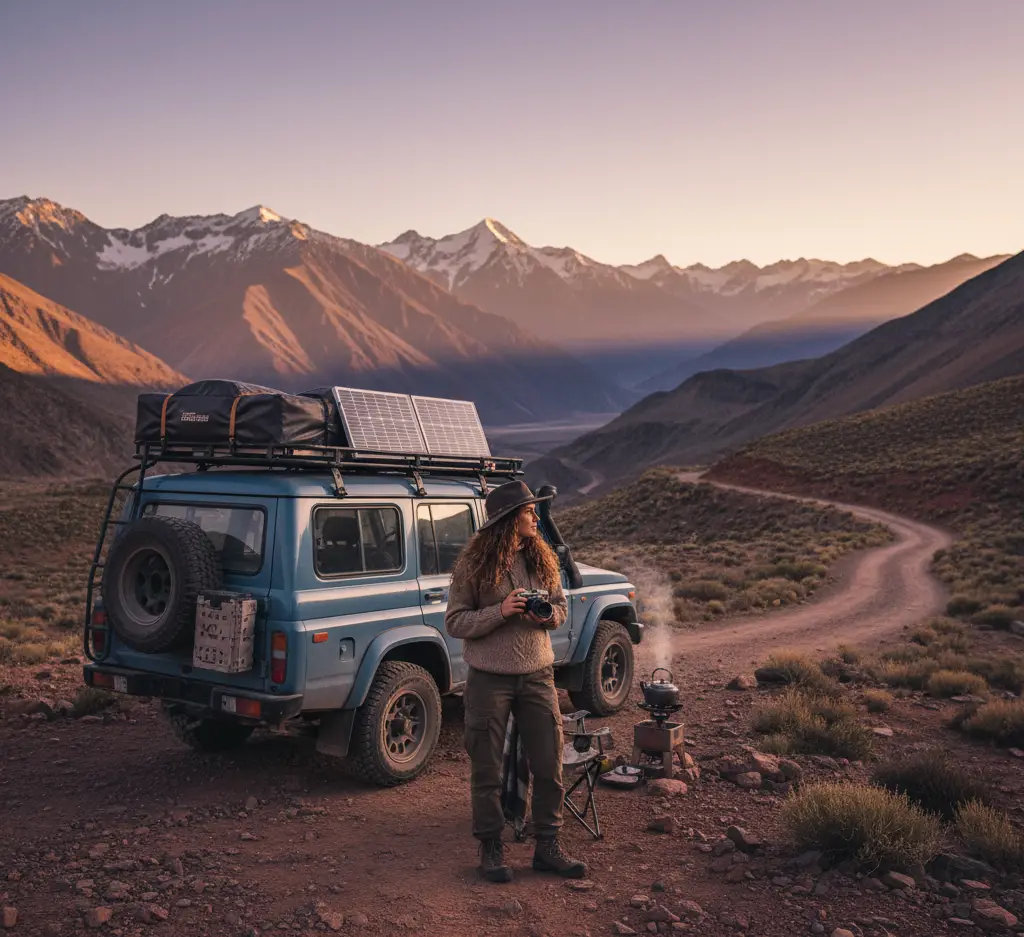
One of the biggest questions people also search for about nomadic life is, “How do nomads earn money?” The truth is, there are many ways. Some work remotely for companies, while others freelance, run online businesses, or create content. A few even take seasonal jobs in the places they visit, like teaching, farming, or guiding tours.
Managing money is just as important as earning it. Nomads learn to track expenses, choose affordable destinations, and sometimes slow down their travel pace to save more. From my own perspective, the lifestyle feels sustainable only when finances are handled carefully. It is not about being rich but about being smart with what you have.
Building a Home Without Walls
One surprising thing about the nomadic lifestyle is that home takes on a new meaning. It is not about one address but about feeling comfortable wherever you are. Some nomads find home in their backpacks, while others say it is in the people they meet.
From my experience, home has become a mix of places and memories. A small café in one city, a rented room by the sea, or a group of friends in a hostel can all feel like home. This mindset teaches you to value belonging more than buildings.
Health, Balance, and Everyday Life
Staying healthy while moving often is another topic people also search for. Constant travel can make it easy to skip workouts or eat poorly. That’s why nomads need routines, even in changing environments. Simple habits like daily walks, quick workouts, or cooking simple meals help keep balance.
Mental health is just as important. Some days bring excitement, others bring loneliness. Journaling, meditation, or staying connected with loved ones online can make a big difference. Personally, I’ve found that creating small daily rituals helps me feel grounded no matter where I am.
The Future of Nomadism
The nomadic lifestyle is not just a trend. With remote work becoming more common, more people are realizing they don’t need to live in one place to succeed. Some countries now offer special visas for digital nomads, showing that governments are also adjusting to this shift.
Looking ahead, I believe the nomadic lifestyle will continue to grow. Technology, community spaces, and travel options will make it easier. But at the same time, people will need to balance freedom with responsibility, making sure travel is sustainable for the planet and respectful to local cultures.
FAQs
Q1: Is the nomadic lifestyle costly?
Ans: Not always. It can be cheap or expensive depending on how and where you live.
Q2: Can families live this way?
Ans: Yes. Many families travel together, but it needs planning.
Q3: Do nomads settle down?
Ans: Some do after a few years, while others keep moving.
Conclusion
Nomadic lifestyle is more than travel. It is a choice to live with freedom, adapt to change, and focus on experiences over possessions. It is not perfect, and it is not for everyone, but for those who feel restless in one place, it offers a life full of meaning and adventure. From my own journey, I’ve learned that the challenges like loneliness or financial planning are real, but the rewards often feel worth it. If you are curious about this way of life, I recommend starting small. Try working remotely in a new city for a month. See how it feels to live with less and explore more.
Also Visit FineGLob for more quality informative content.