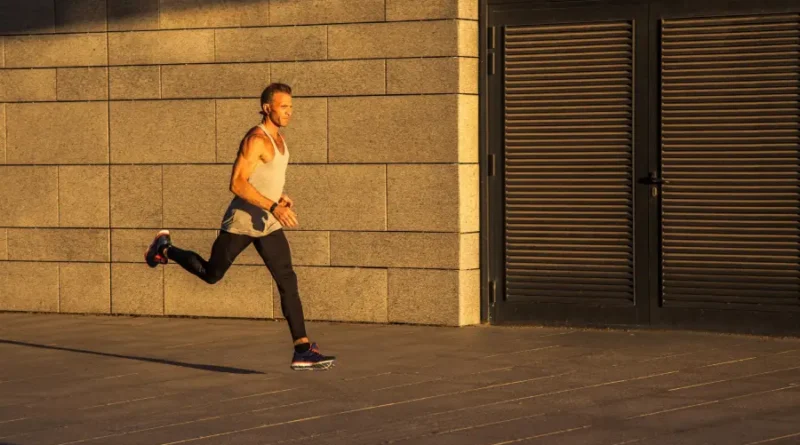
Lifestyle Sports: More Than Just a Game
Introduction
Lifestyle sports are more than physical activity. They are a way of living, a culture, and sometimes even an identity. If you’ve ever looked for a sport that goes beyond rules and competition and instead becomes part of who you are, lifestyle sports can give you that. They bring freedom, creativity, and community into your daily life, while still keeping you active and healthy.
What Are Lifestyle Sports?
Lifestyle sports are activities that go beyond the traditional idea of structured competition. They are often about personal expression, adventure, and community rather than just winning or losing. Skateboarding, surfing, parkour, snowboarding, and BMX are all examples of lifestyle sport.
What makes them unique is that they are usually self-directed. You don’t always need a referee, a big team, or even a scoreboard. Instead, people focus on creativity, personal growth, and enjoying the moment. For many, these sports are not just hobbies. They become a lifestyle, shaping music choices, fashion, travel, and even friendships.
How Lifestyle Sports Differ from Traditional Sports
Traditional sports usually come with strict rules, uniforms, and organized leagues. Lifestyle sports, on the other hand, are much more flexible. You can skateboard on your local street, surf on any beach with waves, or practice parkour in an urban setting.
The culture is also different. Instead of focusing only on competition, lifestyle sports highlight personal style and creativity. For example, a skateboard trick might be judged not just by whether it lands but by how smooth and stylish it looks. This difference is what attracts so many people who want freedom rather than restrictions in how they move and play.
The Health Benefits of Lifestyle Sports
One reason lifestyle sports are growing is because of the health benefits. They provide a fun way to stay fit without feeling like you’re stuck in a boring workout routine. Activities like surfing and skateboarding improve balance, core strength, and flexibility. Parkour builds endurance, agility, and problem-solving skills.
But the benefits are not only physical. Lifestyle sports are also great for mental health. They can help reduce stress, increase confidence, and give a sense of achievement. Many people say that riding a wave, landing a trick, or jumping over an obstacle makes them feel fully alive. That mental refresh can be just as valuable as the physical workout.
The Social Side of lifestyle sport
Lifestyle sports create strong communities. Whether it’s a group of surfers sharing waves at dawn, or skateboarders hanging out at a local park, these activities often lead to new friendships. The culture around them is inclusive, creative, and supportive.
These sports also build bridges between generations and cultures. A teenager skating in Los Angeles might wear the same brand and use the same slang as someone skating in Tokyo. This shared culture spreads through videos, music, and fashion, making lifestyle sports a global movement. When you join one, you’re not just playing a sport you’re joining a community with its own identity and traditions.
Lifestyle Sport and Self-Expression
One of the most appealing things about lifestyle sport is how they allow self-expression. Unlike traditional sports, where uniforms and rules keep everyone the same, lifestyle sports encourage individuality. You can choose your style of clothing, your gear, and even how you perform tricks or moves.
This freedom has made lifestyle sports deeply connected to art, music, and fashion. Skateboarding and hip-hop, surfing and beach culture, or snowboarding and streetwear are just a few examples of how these sports influence wider culture. For many, practicing a lifestyle sport feels like creating art with their body, and that sense of creativity is what keeps them hooked for years.
The Role of Technology and Media in Lifestyle Sport
Technology has transformed lifestyle sports in powerful ways. From action cameras strapped to helmets to drone footage capturing aerial tricks, athletes now share their moves with the world instantly. Platforms like YouTube, Instagram, and TikTok have made lifestyle sports more visible than ever. A skater in Brazil can inspire someone in Germany within minutes.
This exposure does more than spread culture. It motivates people to try new sports, learn techniques, and connect with communities they might never meet in person. Technology also improves gear. Boards, bikes, and surf equipment are now lighter, stronger, and safer thanks to innovation. Media and technology combined have turned lifestyle sport into a global conversation, where creativity and progress travel faster than ever before.
The Economic and Cultural Impact of Lifestyle Sport
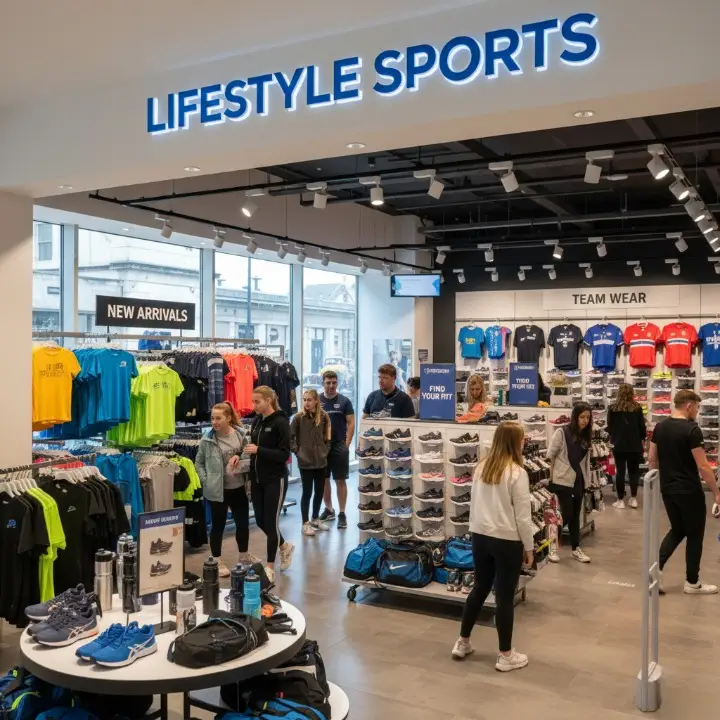
Lifestyle sports may look casual, but they have a huge economic impact. Brands that started small, like skate shoe companies or surfboard makers, have grown into global businesses. Clothing, accessories, and gear linked to these sports create billions of dollars in revenue each year. Events like the X Games or Olympic skateboarding competitions bring sponsors, media deals, and fans from around the world.
Culturally, lifestyle sports shape fashion, music, and even language. Words and styles born in skate parks or surf beaches often find their way into mainstream culture. What started as alternative or underground is now part of everyday life. For example, oversized streetwear and sneakers once linked only to skateboarders are now worn by people everywhere. This shows how lifestyle sports influence society beyond the physical activity itself.
How to Get Started with Lifestyle Sport
For beginners, the world of lifestyle sport can feel overwhelming, but it doesn’t have to be. The first step is choosing a sport that excites you. If you love water, surfing might be your path. If you’re drawn to movement in the city, parkour could be a good fit. Start small, with basic gear, and don’t rush to master everything at once.
It’s also helpful to join a community. Local skate parks, surf clubs, or even online groups can guide you, offer support, and make learning more enjoyable. Remember, lifestyle sports are not only about skill but also about expression and fun. Falling, failing, and trying again are all part of the experience. What matters most is enjoying the process and making it your own.
My Personal Thoughts and Recommendations
From my perspective, lifestyle sport represent freedom in a way traditional sports sometimes cannot. I’ve seen how skateboarding or surfing can change the way someone looks at their environment. A stairway becomes a challenge, a wave becomes a partner, and a city street becomes a playground. That creative mindset spills into daily life, making people more confident and adaptable.
I recommend lifestyle sport to anyone who feels bored with routine exercise or wants a hobby that connects body, mind, and community. You don’t need to be a professional or even highly skilled to enjoy them. The beauty lies in progress, expression, and the friendships you build along the way. For me, the biggest reward has been the sense of belonging. When you step onto a board, into the water, or into a parkour group, you’re joining something bigger than yourself.
FAQs
Q1. What are lifestyle sport?
Ans: Lifestyle sport are activities such as skateboarding, surfing, parkour, snowboarding, and BMX that focus on creativity, freedom, and community rather than strict competition.
Q2. How do lifestyle sport differ from traditional sports?
Ans: Traditional sports follow fixed rules, teams, and scores. Lifestyle sport are flexible, self-directed, and highlight personal style and self-expression.
Q3. Are lifestyle sport good for health?
Ans: Yes. They improve strength, balance, flexibility, and endurance, while also supporting mental health by reducing stress and boosting confidence.
Conclusion
Lifestyle sports are more than a pastime. They are a way of life that blends movement, creativity, and community into something meaningful. Unlike traditional sports, they give space for individuality and personal style. They improve physical health, support mental well-being, and build global connections. Technology has helped spread their influence, while culture and economy have grown around them. If you’ve ever thought about trying one, now is the best time. Start small, stay open to new experiences, and let the journey shape you. Lifestyle sport remind us that movement is not only about performance but also about expression, joy, and living fully in the moment.
Also Visit FineGLob for more quality informative content.