Lifestyle Photography: Capture Real Story in Everyday Moment
Introduction
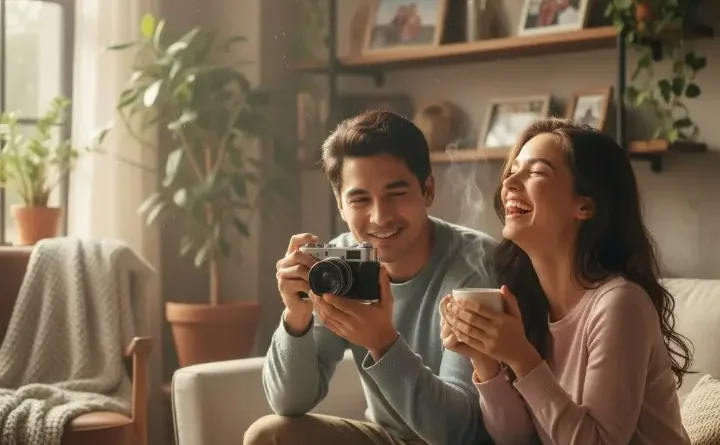
Lifestyle photography is about capturing real, authentic moments rather than stiff, posed shots. If you want photos that feel alive and truly reflect people’s personalities, this style offers a quick solution focusing less on perfect poses and more on genuine interactions. Even small details, like laughter during a family meal or quiet moments at home, can become powerful memories when photographed naturally.
In this guide, I’ll share what lifestyle photography is, why it matters, and how you can approach it whether you’re a professional or simply someone who enjoys taking photos of friends and family.
What is Lifestyle Photography?
Lifestyle photography is often described as a mix of documentary and portrait photography. Unlike traditional portraits that focus on perfect posing, lifestyle images aim to capture people as they are in real life. This can be at home, outdoors, or during a favorite activity. The goal is to freeze moments that tell a story.
I personally like to think of lifestyle photography as “memory-making with intention.” Instead of forcing a smile, it’s about waiting for the real one. These photographs often feel warm and natural because they show people in their own world.
Why Lifestyle Photography Matters
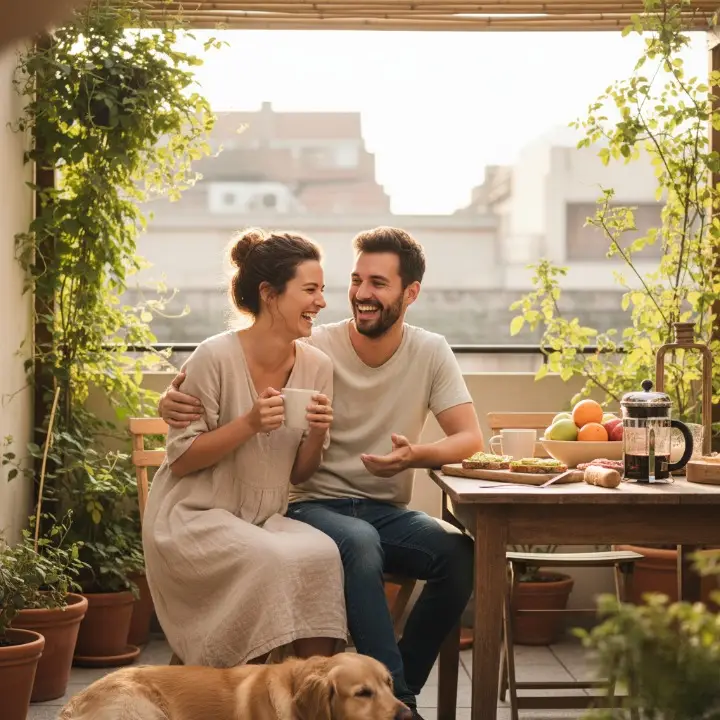
People don’t always remember the little details like how a child hugged their mom tightly, how sunlight came through the kitchen window during Sunday breakfast, or how friends laughed over coffee. Lifestyle photography preserves these details.
For families, it means keeping authentic memories. For brands, it shows customers a real connection instead of a staged advertisement. And for everyday people, it’s simply a way to celebrate life’s honest moments.
The Core Elements of Lifestyle Photography
Lifestyle photography may feel spontaneous, but there are key elements that make it successful:
1. Natural Light
Soft, natural lighting brings warmth and authenticity. Harsh artificial light can make photos look staged.
2. Genuine Expressions
The heart of lifestyle photography is real emotion. That’s why laughter, small gestures, or even silence matter more than a “perfect” pose.
3. Environment
The setting tells part of the story. A cozy living room, a beach walk, or a busy kitchen adds depth to the photo.
4. Composition
Framing and perspective guide the viewer’s eye. Lifestyle shots often include surroundings instead of focusing only on the subject’s face.
5. Storytelling
Every photo should feel like part of a bigger narrative: what the people are doing, how they feel, and the moment in time being captured.
How Lifestyle Photography Differs from Portraits
Many beginners confuse lifestyle photography with traditional portraits. While both involve people, the approach is different.
Portraits are often staged with controlled lighting, backdrops, and specific poses. The photographer directs almost everything. Lifestyle photography, on the other hand, values spontaneity. The photographer guides gently but lets the subjects interact naturally.
For example:
- Portrait: A family stands together, facing the camera, smiling.
- Lifestyle: The family bakes cookies together, the flour spills, and laughter fills the frame.
Both styles are valuable, but lifestyle photography feels less formal and more connected to real life.
Preparing for a Lifestyle Photography Session
Preparation can make or break a shoot. Unlike formal sessions, thrives on flexibility but a little planning helps everything flow smoothly.
Steps to prepare:
- Talk with the subjects about what activities or places feel natural to them.
- Choose locations that hold meaning a favorite park, kitchen, or local café.
- Plan around natural light, usually early morning or late afternoon for the softest tones.
- Keep props simple, like books, blankets, or everyday objects that add character.
- Set expectations by reminding clients that candid moments are more important than perfect posing.
This preparation creates the right environment for authentic storytelling while still giving room for spontaneity.
Capturing Natural Emotions
Getting real emotions in front of a camera can be tricky. Many people freeze up when they know they’re being photographed. The key is to make them comfortable and forget about the lens.
Practical steps to encourage natural emotions:
- Start conversations instead of giving strict directions.
- Ask subjects to interact with each other, not the camera.
- Use humor or light prompts to spark laughter or reactions.
- Capture in-between moments when people are adjusting clothes, talking, or simply waiting.
- Be patient; sometimes the best expressions happen after the “posed” shot.
In my experience, some of the most loved photos are the ones where people didn’t even realize I was shooting.
Essential Gear for Lifestyle Photography
You don’t need the most expensive equipment to capture meaningful images, but the right tools can make a difference.
Recommended essentials:
- Camera: A DSLR or mirrorless camera works well, but even modern smartphones can capture lifestyle shots.
- Lenses: A 35mm or 50mm lens is great for natural-looking perspectives. Wide lenses help include more of the environment.
- Lighting: Natural light is best, but a small reflector can help balance shadows.
- Editing Software: Programs like Lightroom help enhance colors and tones without making photos look artificial.
Personally, I like using a 50mm lens because it creates a balanced, realistic look while keeping the subject connected to their environment.
Working with Different Settings
Lifestyle photography isn’t limited to one type of location. The setting adds to the story, so being adaptable is important.
Indoor settings:
- Cozy home sessions, especially with kids or families.
Cafes, studios, or workspaces for branding photography. - Use windows as natural light sources.
Outdoor settings:
- Parks, beaches, and city streets provide variety and natural backdrops.
- Golden hour light creates warmth and softness.
- Keep an eye on weather changes; they can add character but require flexibility.
Each setting has its own charm. For example, I’ve often noticed that people feel most comfortable at home, which helps bring out genuine emotions.
Storytelling Through Photography
At its heart, lifestyle photography is about stories. A single photo should give the viewer a sense of what was happening in that moment.
Think about these questions while shooting:
- What is the subject doing?
- What emotions are present?
- How does the environment add to the feeling?
For example, a photo of a child holding a parent’s hand at a park isn’t just about two people, it’s about trust, connection, and family bonds. These subtle stories are what make lifestyle photography so powerful.
Challenges in Lifestyle Photography and How to Overcome Them
Even though lifestyle graphy feels natural, it comes with its own set of challenges. Subjects may feel shy, kids may not cooperate, or the lighting might not be ideal. These moments can frustrate both beginners and professionals.
Steps to overcome common challenges:
- Shyness: Encourage people to focus on each other, not the camera. Give them something to do like playing, talking, or cooking together.
- Children’s energy: Let kids be kids. Instead of forcing them to sit still, capture their movement and curiosity.
- Unpredictable light: If the sun is too harsh, move into shaded areas or use a reflector. Indoors, work near windows.
- Awkwardness: Keep the mood light with casual conversation. Jokes or music can also help.
- Distractions: Guide people back to their interaction gently without breaking the flow.
With patience, these challenges can actually add more personality to the photos.
Editing Lifestyle Photos Without Losing Authenticity
Editing plays an important role in lifestyle photography, but it’s easy to overdo it. The goal is to enhance the natural feel of the images, not to make them look overly polished.
Editing workflow (simple steps):
- Adjust exposure to balance highlights and shadows.
- Fine-tune white balance so skin tones look natural.
- Enhance colors slightly for warmth but avoid saturation overload.
- Crop thoughtfully to improve composition.
- Use presets carefully; they should save time, not create cookie-cutter results.
Done right, editing brings out the story without distracting from it.
Lifestyle Photography for Families
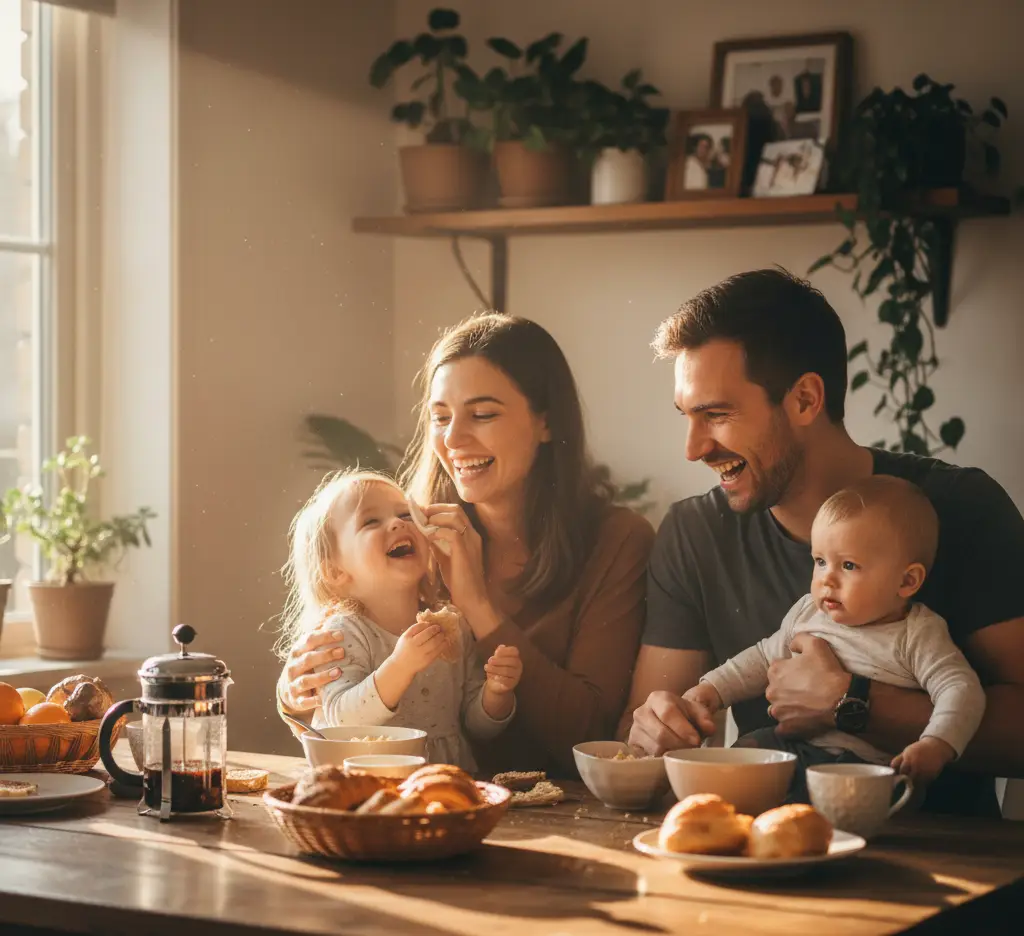
Families are one of the most popular subjects for lifestyle graphy. Parents often want photos that feel real instead of stiff studio portraits. Family sessions are also where the most memorable candid moments happen.
Tips that work well for families:
- Choose locations where kids feel comfortable, like their home or a familiar park.
- Let parents interact with children naturally reading, playing, or cuddling.
- Focus on connections rather than “perfect smiles.”
- Capture small details, like tiny hands holding onto a parent’s shirt.
I’ve found that families often cherish the messy, unplanned moments the most, because they reflect real life.
Lifestyle graphy for Branding and Businesses
Lifestyle photo isn’t just for families. Businesses use it to show their products and services in real-world situations. Instead of stiff product shots, lifestyle images show people using products naturally.
For example, a coffee shop might show friends chatting over lattes instead of just photographing a cup of coffee. This makes the brand feel human and approachable.
Why businesses should use lifestyle graphy:
- It builds emotional connections with customers.
- It feels authentic and less like advertising.
- It works well on social media, where audiences prefer realness.
If you’re a business owner, investing in lifestyle photography can help your brand stand out in a crowded market.
Tips for Beginners Starting with Lifestyle Photography
If you’re new to lifestyle graphy, it might feel overwhelming at first. But the best way to learn is by practicing regularly and focusing on people rather than gear.
Practical beginner tips:
- Start with friends or family so everyone feels relaxed.
- Use natural light as much as possible. It’s forgiving and beautiful.
- Shoot more than you think you need. Sometimes the best photo happens between planned shots.
- Don’t worry about perfection. Aim for emotion and story.
- Review your photos after each session to see what worked and what didn’t.
Over time, your style will naturally develop.
The Role of Social Media in Lifestyle Photography
Platforms like Instagram, Pinterest, and TikTok have changed how people view photography. Lifestyle photography is especially popular online because it feels relatable and real.
For photographers, social media is not only a portfolio but also a way to connect with potential clients. It’s where many families, couples, and brands look for inspiration.
However, the challenge is balance. While it’s tempting to shoot for trends, the most powerful lifestyle photos remain timeless and authentic.
Future Trends in Lifestyle Photo
Lifestyle graphy continues to evolve with technology and cultural changes. Looking ahead, we can expect some exciting shifts.
Emerging trends:
- Smartphone photography: More people are using advanced phone cameras for everyday lifestyle shots.
- AI-assisted editing: Tools that speed up editing while keeping a natural look.
- Micro-stories: Short photo series that capture small moments instead of one dramatic shot.
- Eco-conscious shoots: More clients want outdoor sessions that reflect sustainable lifestyles.
- Video integration: Lifestyle videos are becoming just as important as still images.
These trends show that lifestyle photography is not just a passing style it’s becoming central to how people and brands communicate.
FAQs
Q1: Do I need a professional camera for lifestyle graphy?
Ans: Not necessarily. Many lifestyle shots can be taken with a smartphone. What matters more is light, timing, and capturing emotions.
Q2: How do I make people feel comfortable in front of the camera?
Ans: Keep the session relaxed. Give light guidance but focus more on activities and natural interactions.
Q3: Can lifestyle photography be staged?
Ans: Yes, lightly staged. You can suggest activities or settings, but the goal is to let real emotions unfold.
Conclusion
Lifestyle photography is more than just taking pictures, it’s about capturing the essence of life as it happens. It values emotion, connection, and story over perfection. Whether you’re photographing your own family, building a brand, or starting as a professional, this style offers a way to preserve moments that truly matter. From preparation to editing, every step adds to the story. And while trends and technology may shift, the core of lifestyle photo will always remain the same: keeping memories alive in their most authentic form.
Also Visit FineGLob for more quality informative content.