
Lifestyle Gymnastics: A Path to Better Health & Flexibility
Introduction
If you have ever wanted a way to feel stronger, more flexible, and more focused without needing complicated equipment, lifestyle gymnastics might be the answer. It blends simple movements, bodyweight exercises, and gymnastic-inspired skills into your daily routine. The best part is that you do not need to be a professional athlete to enjoy it. By starting with the basics, you can gain better control over your body and improve your overall well-being.
When I first came across the idea of using gymnastics as a lifestyle practice rather than just a sport, I was surprised at how practical it felt. Instead of treating it as something only for kids or Olympic athletes, I began seeing it as a fun way to stay active. That is exactly why I am writing this article to share how gymnastics can shift from a competitive arena into a sustainable lifestyle that anyone can embrace.
What is Lifestyle Gymnastics?
Lifestyle gymnastics is not about competing, performing routines in front of judges, or chasing medals. Instead, it is about bringing the core elements of gymnastics strength, balance, coordination, and flexibility into everyday life. Think of it as bodyweight training with creativity and playfulness added to the mix.
For example, practicing handstands in your living room, working on balance by standing on one foot while brushing your teeth, or doing basic stretches in the morning are all small ways of using Lifestyle gymnastics for daily wellness. It is less about perfection and more about consistent movement that improves how you feel and function.
What makes this approach unique is that it can fit any lifestyle. Children can use it to build coordination, teenagers can develop confidence, and adults can use it to maintain strength and prevent stiffness. Even seniors can adapt basic moves to stay mobile and independent.
A Brief History of Gymnastics in Everyday Life
Gymnastics as a formal sport has been around for centuries. It traces back to ancient Greece, where movement training was not just about athletics but also about preparing the body for everyday tasks and military readiness. The early idea was simple: a strong and flexible body supports a strong mind.
As time went on, gymnastics became more structured. In the 19th century, educators in Europe began using gymnastics in schools to improve health and discipline among students. What started as structured drills slowly evolved into both a competitive sport and a recreational activity.
Today, while we admire Olympic gymnasts for their incredible skill, there is a growing trend of people returning to the roots of gymnastics using it as a lifestyle tool. Social media, fitness communities, and home workouts have made it easier to practice the fundamentals without needing a full gym. In many ways, lifestyle gymnastics is a return to the original spirit: training the body for strength, health, and confidence in daily living.
Physical Benefits: Strength, Flexibility, and Balance
One of the biggest reasons people turn to lifestyle gymnastics is for the physical benefits. Because it relies heavily on bodyweight movements, it builds strength in a natural and balanced way. Moves like push-ups, pull-ups, bridges, and planks not only strengthen your muscles but also improve stability in your joints.
Flexibility is another huge advantage. Many of us spend hours sitting, which tightens the hips, shoulders, and back. Basic Lifestyle gymnastics stretches like splits, bridges, and dynamic leg swings help open up those areas. You do not need to be able to do a perfect split to feel the difference. Even small improvements in flexibility can make daily activities like bending to pick something up or carrying groceries much easier.
Balance is the third pillar. Practicing handstands, cartwheels, or even simple balance drills strengthens your core and improves posture. In my own experience, working on balance has helped me feel more stable during everyday activities. Something as simple as walking up the stairs feels smoother and lighter because my body is better coordinated.
Mental and Emotional Benefits
Lifestyle gymnastics is not just about physical fitness. It also supports mental and emotional well-being. The focus required to perform even basic gymnastic movements trains the mind to stay present. When you attempt a handstand, for example, you cannot think about your to-do list. You have to focus entirely on your body and breath. This mindfulness reduces stress and creates a sense of calm.
There is also a strong sense of achievement in gymnastics. Every small milestone like holding a plank longer, standing on one foot for more seconds, or managing your first cartwheel builds confidence. Unlike many workouts that feel repetitive, gymnastics is playful and varied, which keeps motivation high.
Personally, I have found lifestyle gymnastics to be a refreshing break from routine exercise. Instead of counting reps on machines, I enjoy challenging myself with small goals like improving my balance or holding a stretch longer. It makes the process enjoyable, not just another task.
How to Start as a Beginner
If you are new to gymnastics-inspired training, the key is to start small. You do not need fancy equipment or a large space. Begin with bodyweight basics such as push-ups, squats, planks, and gentle stretches. These build the foundation for more advanced movements later on.
It also helps to set realistic goals. For example, aim to improve your plank time by 10 seconds each week, or practice standing on one leg for a minute each day. These small steps add up and keep you motivated. Consistency matters more than intensity when starting out.
Safety is another important factor. Always warm up your body before practicing and listen to your limits. Many people think gymnastics is risky, but when you practice basic moves carefully, it is one of the safest and most rewarding ways to stay active. Over time, you can gradually progress to more exciting skills like cartwheels or handstands.
Lifestyle Gymnastics for Kids, Teens, and Adults
Gymnastics looks different depending on your age and lifestyle. For children, it is an excellent way to build coordination, confidence, and social skills. Kids often enjoy the playful side of gymnastics rolling, balancing, and learning simple routines. It teaches them discipline without feeling strict, because the movements are fun and exciting. Parents often find that children who practice gymnastics are more active and focused in other areas of life, such as school and sports.
For teenagers, gymnastics provides an outlet for energy while shaping character. It builds resilience, because progress often takes time and effort. In my own observation, teens who practice lifestyle gymnastics develop patience and determination, which helps them both inside and outside the gym.
Adults sometimes feel nervous about starting gymnastics, thinking they are “too old” or “not flexible enough.” The truth is, gymnastics for adults does not need to be extreme. It can focus on bodyweight strength, balance, and mobility. I personally believe that adults gain even more from it because it helps combat stiffness and keeps the body feeling young.
Myths and Misconceptions
One of the biggest myths about gymnastics is that you need to be extremely flexible to even start. In reality, flexibility is built over time. Nobody begins with perfect splits or handstands it is the small, consistent stretches that create improvement.
Another misconception is that gymnastics is dangerous. While competitive gymnastics involves high-level stunts, lifestyle gymnastics focuses on safe, progressive moves. When practiced carefully, it can actually reduce the risk of injury by strengthening muscles and improving balance.
Some also think gymnastics is only for kids or professionals. I used to believe this myself until I tried basic movements and saw how accessible they were. Whether you are 10 or 50, there are ways to adapt the practice to your body. Breaking these myths helps people feel more confident about giving it a try.
How to Practice at Home or Outdoors
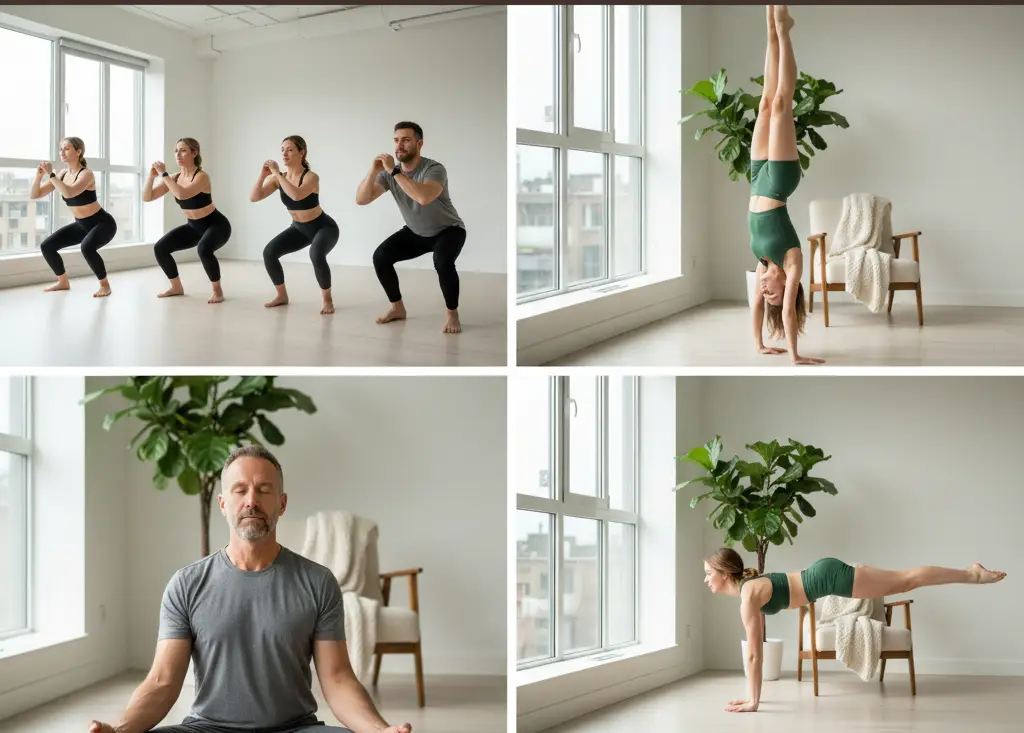
You do not need a fancy gym to enjoy lifestyle gymnastics. Many exercises can be done at home with little or no equipment. A yoga mat, a bit of open floor space, and maybe a sturdy bar or wall are enough to get started. Planks, bridges, handstands against the wall, and stretching routines are all simple examples.
Practicing outdoors can be even more fun. Parks often have bars and open areas that are perfect for gymnastics-inspired workouts. I enjoy using park benches for balance work or soft grass for cartwheels and rolls. Training outside also adds fresh air and sunlight, which boosts mood and energy.
If you like structure, you can follow online programs or join local community classes. But if you prefer freedom, you can simply add small gymnastics elements to your daily routine. For instance, try balancing on one leg while brushing your teeth or stretching during breaks at work.
Lifestyle Gymnastics in Modern Culture
Today, lifestyle gymnastics is part of a bigger fitness trend. Social media platforms like Instagram and TikTok are filled with people sharing handstand progress, stretching routines, and bodyweight challenges. This visibility has encouraged more people to try it out, even if they never considered themselves “athletes.”
Fitness apps and online communities have also made gymnastics more accessible. You can connect with others, track your progress, and stay motivated without needing to join a formal club. Personally, I think this has been a game-changer. It breaks the barrier of entry and makes gymnastics feel less intimidating.
In modern culture, gymnastics has become more than just a sport it is a lifestyle choice. It represents strength, creativity, and playfulness. People are realizing that training the body can also be enjoyable, expressive, and part of everyday living.
Why I Recommend Lifestyle Gymnastics
The main reason I recommend lifestyle gymnastics is its versatility. You do not need to be young, extremely fit, or flexible to benefit. You can start at your own pace, choose the moves that fit your goals, and grow from there. Unlike many fitness routines that feel repetitive, gymnastics keeps things fresh and engaging.
From my personal experience, it adds both structure and joy to movement. The progress may be gradual, but every small step feels rewarding. I find that it improves not only my strength and balance but also my confidence. That is why I suggest anyone looking for a sustainable and fun way to stay active should give it a try.
FAQs
Q1. What is lifestyle gymnastics?
Ans: Lifestyle gymnastics means using gymnastic-inspired movements such as balance, stretching, and bodyweight strength exercises as part of your everyday fitness routine without the pressure of competition.
Q2. Can adults start gymnastics if they never tried before?
Ans: Yes. Adults can begin with simple moves like planks, bridges, and wall-supported handstands. Flexibility and strength build gradually over time.
Q3. Is gymnastics safe for beginners?
Ans: When practiced carefully and progressively, lifestyle gymnastics is safe. It strength.
Conclusion
Lifestyle gymnastics is more than just an exercise routine it is a mindset. It encourages you to see movement as something enjoyable, creative, and lifelong. From children gaining coordination to adults maintaining mobility, its benefits reach across all ages. It is not about competition or perfection but about feeling better in your body every day. If you have ever struggled with sticking to traditional workouts, lifestyle gymnastics may give you the change you need. Start small, stay consistent, and allow yourself to enjoy the process. Over time, you will not only feel stronger and more flexible but also more connected to your body. And that, in my opinion, is the true success of this practice.
Also Visit FineGLob for more quality informative content.