
Division of Health Sciences: Education, Research, & Career
Introduction
If you’ve ever wondered how doctors, nurses, therapists, and researchers work together to improve our health, the answer often lies in something called the Division of Health Sciences. Think of it as the hub where different health-related fields meet, share knowledge, and prepare future professionals. In simple words, it’s the place where learning, research, and practice in healthcare come together.
In this article, I’ll walk you through what the Division of Health Sciences really means, why it matters in today’s world, and how it affects both education and patient care. By the end, you’ll understand not just what it is, but also why I think it plays such an important role in shaping healthier communities.
What is the Division of Health Sciences?
The Division of Health Sciences is an umbrella term used in universities and institutions to bring together all the programs related to healthcare and medicine. Instead of separating fields like nursing, public health, or pharmacy, the division treats them as part of a bigger family. This makes it easier for students, teachers, and researchers to work across subjects and share ideas.
For example, a Division of Health Sciences at a university might include programs in medicine, nursing, physical therapy, dental hygiene, nutrition, and psychology. Together, they cover nearly every part of healthcare. The goal is simple: train professionals who not only excel in their own specialty but also understand how to collaborate with others.
From my perspective, this approach makes a lot of sense. Healthcare is never a one-person job. A surgeon depends on anesthesiologists, nurses, and lab technicians. A public health researcher works with data scientists, policymakers, and doctors. Bringing these fields under one division encourages teamwork early on, which benefits both students and patients.
Why Does the Division of Health Sciences Matter?
Healthcare today is complex. We live in a time where one patient may need care from multiple specialists. The Division of Health Sciences matters because it prepares future professionals to see beyond their own role and think about the bigger picture.
Another reason it matters is innovation. When different experts work together, they can solve problems faster. For example, medical researchers working with computer scientists can create better diagnostic tools. Nurses collaborating with psychologists can improve patient recovery experiences. Without a shared division to bring these experts together, progress would be much slower.
Personally, I see this as the heart of modern healthcare education. It’s not enough to be highly skilled in one area you need to know how your work connects with others. This mindset is exactly what divisions of health sciences aim to build.
Areas Covered in the Division of Health Sciences
The Division of Health Sciences is not a single subject but a collection of many. Here are some of the key areas usually included:
- Medicine: Training future doctors and surgeons.
- Nursing: Preparing nurses to care for patients in hospitals, clinics, and communities.
- Public Health: Focusing on prevention, health education, and policy.
- Pharmacy: Teaching about medicines, drug safety, and patient counseling.
- Allied Health Profssions: Such as physical therapy, occupational therapy, radiology, and speech therapy.
- Nutrition and Dietetics: Exploring the role of food in health and disease.
- Mental Health and Psychology: Understanding the mind and supporting emotional well-being.
In my opinion, what makes this division so powerful is the variety. It doesn’t limit itself to one lens of health. Instead, it embraces everything that contributes to human well-being. For instance, you can’t treat diabetes with medicine alone. You need nutritionists to guide diet, nurses to support daily care, and psychologists to help with stress management. That’s the beauty of having all these fields in one division.
Education and Training in Health Sciences
Education in the Division of Health Sciences is designed to be practical and future-focused. Students don’t just sit in classrooms they also train in hospitals, labs, and community health centers. The idea is to give them real-world experience before they graduate.
Most programs also encourage teamwork. For example, nursing and medical students may work on the same case study together, learning how to coordinate their roles. This hands-on approach makes them more confident when they enter the workforce.
Speaking from my perspective, this is one of the strengths of the division. Textbooks can only take you so far. The real learning happens when you meet patients, solve unexpected problems, and make decisions as a team. That’s what truly prepares health science students for their careers.
Research and Innovation in Health Sciences
Research is another big part of what the Division of Health Sciences does. Universities often use these divisions to run studies on new treatments, health policies, and medical technologies. For example, they may research how artificial intelligence can help doctors diagnose diseases faster or how nutrition impacts mental health.
These research efforts don’t just stay in the lab they often shape national health policies or improve hospital practices. Students also benefit by learning how to question, analyze, and test ideas.
I personally think this is one of the most exciting aspects of the division. Research pushes healthcare forward. Without it, we would still be using outdated methods and struggling with diseases we can now prevent or treat more effectively.
Careers in Health Sciences
One of the biggest reasons people are drawn to the Division of Health Sciences is the career opportunities. Because it covers so many fields, the career paths are almost endless. Some graduates become doctors or nurses, while others focus on public health, research, or rehabilitation. There are also options in health technology, administration, and teaching.
Another key point is job security. Healthcare continues to grow worldwide because people always need health services. This means that careers in health sciences often come with stability, good salaries, and chances for advancement. In my view, this is what makes it appealing not just to students but also to families who want to invest in a meaningful education.
The Role of Technology in Division Health Sciences
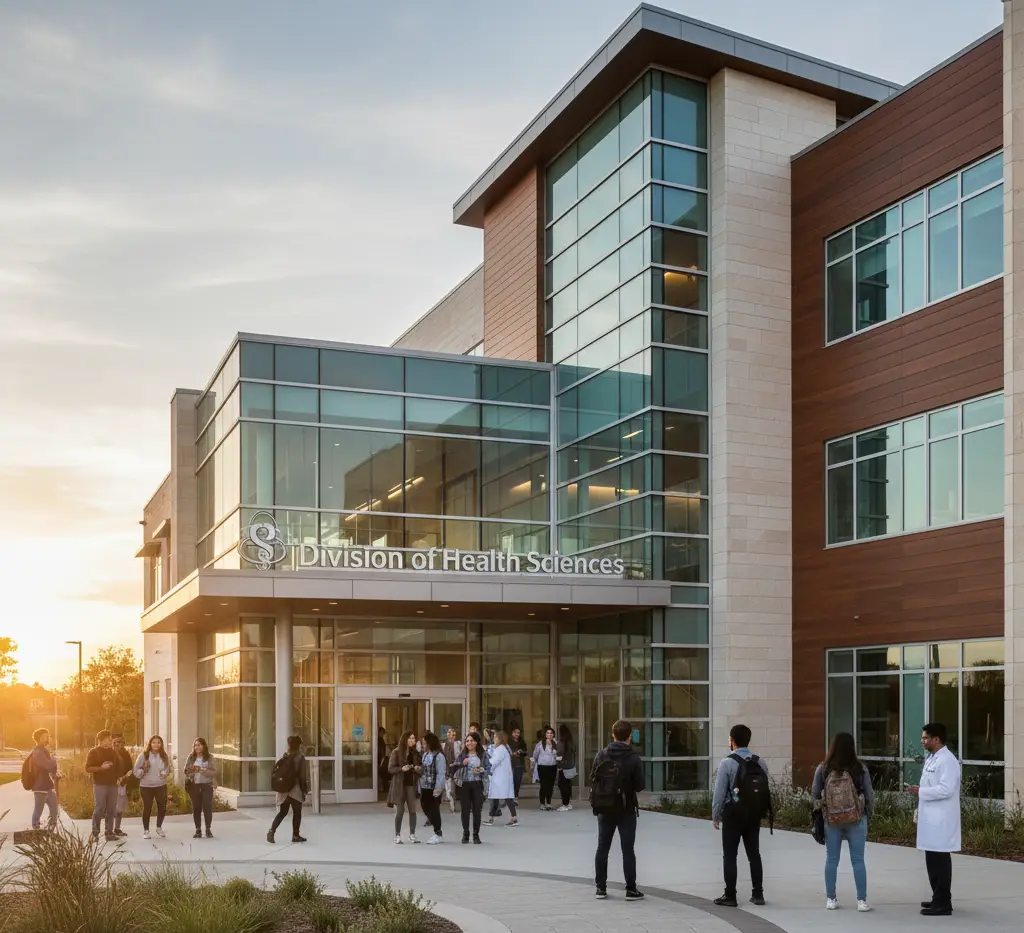
Technology has changed the way we think about healthcare, and the Division of Health Sciences reflects that shift. Today, students may learn how to use digital health records, telemedicine platforms, or even artificial intelligence tools. These are no longer optional skills they are essential.
Technology also plays a huge role in research. With advanced imaging, genetic testing, and data analysis, scientists can understand diseases faster and more accurately. For students, being part of a division that embraces technology means they graduate ready to face modern healthcare challenges. Personally, I find this exciting because it shows how the division is always adapting instead of staying stuck in the past.
Global Impact of Health Sciences
The Division of Health Sciences is not only important locally but also globally. Health issues like pandemics, climate change, and chronic diseases affect people worldwide. Through research and training, these divisions help prepare professionals who can address global health challenges.
For example, public health departments often collaborate internationally on issues like vaccine development, disease prevention, and nutrition programs. Graduates of health sciences can also work with NGOs, international hospitals, or policy organizations. From my perspective, this global reach makes the division even more meaningful. It shows that learning here doesn’t just help one community it can change lives around the world.
Challenges and Future Directions
Like any field, health sciences face challenges. Funding can be limited, especially for research projects. Access to quality healthcare remains unequal in many regions. Technology, while helpful, also raises issues about cost, privacy, and ethics.
Looking ahead, the Division of Health Sciences must keep adapting. This could mean adding more programs in digital health, strengthening mental health education, or focusing on sustainable healthcare practices. In my opinion, these challenges are not setbacks but opportunities. They push us to think smarter, work together, and keep improving healthcare for everyone.
FAQs
Q1. What is the Division of Health Sciences?
Ans: It’s a department that combines medicine, nursing, pharmacy, and public health programs.
Q2. Why does it matter?
Ans: It trains students to work together and improves healthcare education.
Q3. What careers are possible?
Ans: Doctor, nurse, pharmacist, therapist, researcher, and more.
Conclusion
The Division of Health Sciences is much more than an academic department. It is a foundation where education, research, and practice meet to create better healthcare professionals and healthier societies. By bringing together medicine, nursing, public health, pharmacy, and allied health fields, it ensures that no part of healthcare works in isolation. From preparing students for rewarding careers to driving research and global solutions, the division holds a central place in today’s world. Personally, I see it as one of the most practical and forward-thinking ways to organize healthcare education. It teaches us that real progress happens not when we work alone, but when we share knowledge and support each other.
Also Visit FineGLob for more quality informative content.