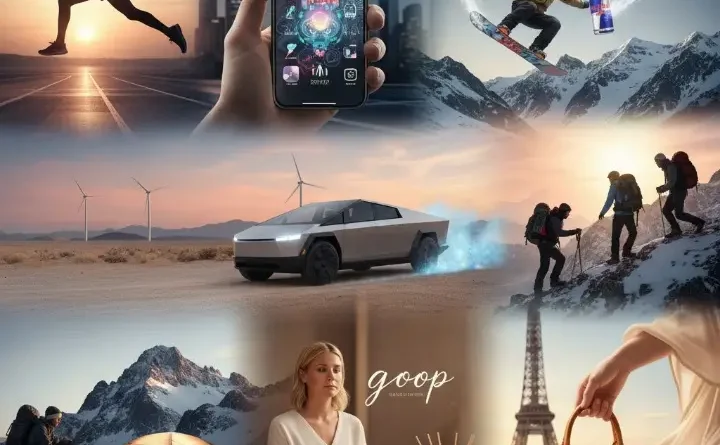
Lifestyle Brands: How They Shape Culture and Connection
Introduction
Lifestyle brands are more than products. They stand for ideas, values, and ways of living. When people choose a lifestyle brand, they are not just buying an item they are joining a community. The reason these brands feel powerful is simple: they connect to emotions and identity.
In this article, I will share what makes lifestyle brands special, how they became popular, and why people remain so loyal to them. I’ll also show examples of big and small brands, plus give ideas for anyone who wants to build one. By the end, you will see lifestyle brands in a new way, not just as businesses, but as culture-shaping forces.
What is a Lifestyle Brands?
A lifestyle brand is not only about products. It sells a belief, a feeling, or an experience. Nike, for example, is not just a shoe company. It stands for hard work, motivation, and sports culture. People buy Nike because they want to be part of that idea.
The main difference between a normal brand and a lifestyle brand is connection. A normal brand talks about price and features. A lifestyle brand talks about values and identity. That is why people form a bond with lifestyle brands and stay loyal to them for years.
History and Evolution of Lifestyle Brands
Lifestyle brands have been around for decades. In the 1950s, Levi’s jeans became a symbol of freedom and rebellion. Harley-Davidson made people feel like they were part of a brotherhood of riders who valued independence. These were some of the first lifestyle brands.
With time, the idea grew stronger. In the digital age, lifestyle brands exploded because social media gave them direct access to communities. Today, brands like Supreme, Lululemon, and Apple are leaders because they don’t just sell they shape culture.
Lifestyle Brand vs Normal Brand
It helps to compare. A normal brand says: “Our shoes are durable and affordable.” A lifestyle brand says: “Our shoes represent your energy and passion.” The first talks about the product. The second talks about you.
Lifestyle brands always focus on identity. That’s why people proudly wear them. When you carry an Apple device, it signals creativity and modern thinking. When you wear Patagonia, it signals care for the planet. That is the power of lifestyle branding.
Core Characteristics of Lifestyle Brand
Successful lifestyle brand always stand on strong values. Patagonia values sustainability. Red Bull values adventure. Starbucks values community. These values are the brand’s soul.
They also create tribes. A tribe is a group of people who share the same passion. Apple users feel part of an Apple family. Harley riders feel like brothers. This tribe culture is what makes lifestyle brands stronger than regular ones.
Famous Examples of Lifestyle Brand
Nike’s “Just Do It” inspires people to keep moving forward. Apple makes people feel like part of a creative world. Red Bull built a whole identity around extreme sports and energy. Starbucks turned coffee drinking into a daily ritual that feels personal.
Patagonia’s stand for the environment made it loved by people who care about the planet. Supreme created exclusivity, where owning its products feels like joining a cool club. These examples prove that lifestyle brands sell values first, products second.
The Role of Social Media
In the past, lifestyle brand used TV ads or magazines. Today, they use Instagram, TikTok, and YouTube. A single viral video or influencer post can bring millions of new fans.
Social media also allows two-way communication. Customers can share their own stories with a brand. For example, Nike reposts athletes’ stories. Red Bull shares videos from real extreme sports fans. This builds trust and makes the brand feel closer.
Marketing Strategies That Work
Storytelling is at the heart of lifestyle branding. Nike rarely lists product features. Instead, it tells emotional stories about athletes. This creates an emotional pull that is stronger than numbers or statistics.
Partnerships also work well. Supreme partners with artists and luxury houses. Red Bull sponsors sports events. Starbucks builds community spaces in its stores. All these strategies keep customers emotionally engaged.
The Psychology of Connection
Why do people connect so deeply with lifestyle brand? Because they help us express who we are. Buying Converse sneakers, for example, feels like showing individuality.
Humans also love belonging. Wearing a lifestyle brand can feel like joining a community. You don’t just own a product you share values with millions of others who made the same choice. This belonging creates long-term loyalty.
Challenges Lifestyle Brand Face
One big challenge is staying authentic. If people feel a brand is fake, they turn away. For example, some companies claim to be eco friendly but fail to prove it. Customers notice these things.
Another challenge is over-commercialization. When a brand grows too fast, it may lose its special feeling. Supreme faced this when it became too mainstream. Lifestyle brands must grow carefully while protecting their identity.
Lifestyle Brands in Different Industries
Many think lifestyle brands exist only in fashion. That is not true. Tech, food, travel, and fitness also have strong lifestyle brand.
Apple is a lifestyle brand in tech. Starbucks is one in food. Red Bull is one in drinks. Peloton is one in fitness. Airbnb is one in travel. Each connects with people through shared values, not just products.
Sustainability and Ethics
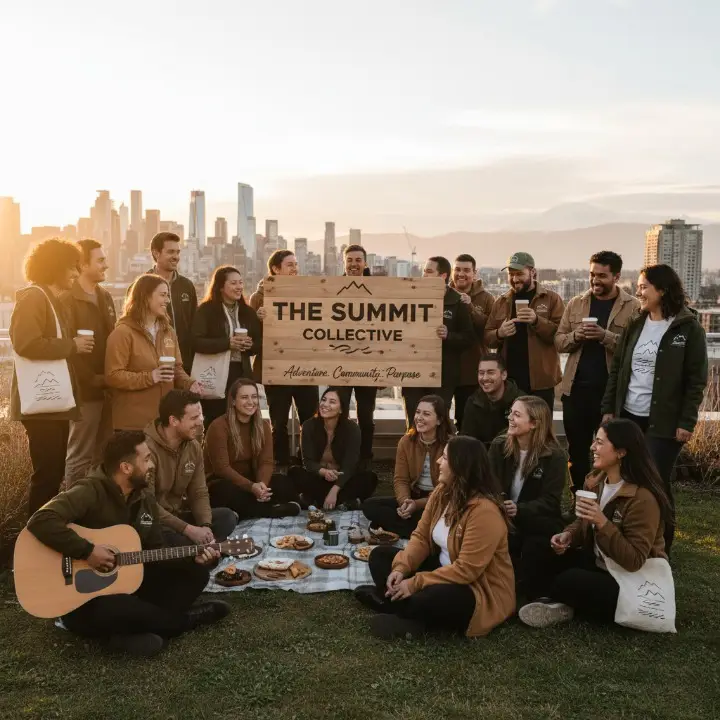
In today’s world, people care about the planet. That is why brands like Patagonia are respected. They don’t just talk about sustainability they live it by repairing clothes and supporting eco-causes.
Brands that show fair trade, inclusivity, and eco-friendly practices win trust. Customers want to feel proud of the brands they support. This trend will only grow stronger in the future.
The Future of Lifestyle Brand
Tomorrow’s lifestyle brand will be digital-first. Virtual events, AR shopping, and online communities will grow. People will join brand communities without leaving home.
They will also focus more on inclusivity and diversity. Consumers expect brands to represent them. Companies that ignore this will struggle to survive.
Tips to Build Your Own Lifestyle Brand
If you want to start, begin with values. Ask yourself: what does my brand stand for? If you can answer clearly, you are on the right path.
Be consistent. Everything your logo, ads, website, even packaging should reflect your values. Build a community slowly but steadily. Remember, lifestyle branding is not quick, but once people connect, they will stay loyal.
Mini Case Studies
Red Bull is one of the best case studies. It started as an energy drink but built an identity around extreme sports. Today, people link Red Bull with adventure, not just caffeine.
Another case is Starbucks. It transformed simple coffee into a “third place” experience. It is not just about coffee it is about connection, comfort, and lifestyle.
Impact on Daily Life
Lifestyle brands shape how we live. From the shoes we wear to the phones we use, they influence our choices. They also affect how we see ourselves.
When you buy a lifestyle brand, you feel proud. You feel like you belong to something bigger. This emotional bond is what makes lifestyle brands powerful in daily life.
FAQs
Q1: What is the main goal of a lifestyle brand?
Ans: To connect emotionally with people by selling values and identity, not just products.
Q2: Are lifestyle brand only about fashion?
Ans: No. They exist in technology, food, fitness, and even travel. Apple, Red Bull, and Airbnb are examples.
Q3: Why do people stay loyal to lifestyle brand?
Ans: Because they feel part of a community that shares their values.
Conclusion
Lifestyle brands are special because they go beyond products. They give people identity, belonging, and inspiration. From Nike’s motivation to Patagonia’s care for nature, these brands succeed because they reflect real values. I believe lifestyle brands succeed when they stay true to their purpose. Personally, I connect with Apple because it inspires creativity. That is why I trust it and recommend it. If you support or build a lifestyle brand, choose values that matter. When a brand aligns with your life, it becomes more than a purchase it becomes part of who you are.
Need More Information Also Visit FineGLob