Who Invented Schools? A Complete History & Future of Education
Have you ever wondered who invented schools? The truth is, no one person created the idea of learning but many great minds shaped what we call school today. Ancient civilizations like Egypt, Greece, India and China all had early forms of education. Still, most people say Horace Mann was the “father of the modern school system” in the United States. His reforms in the 1800s helped build free public education for everyone. In this article we’ll explore the history of education from ancient schools to modern classrooms and discover how the idea of school continues to evolve.
Timeline of Schools
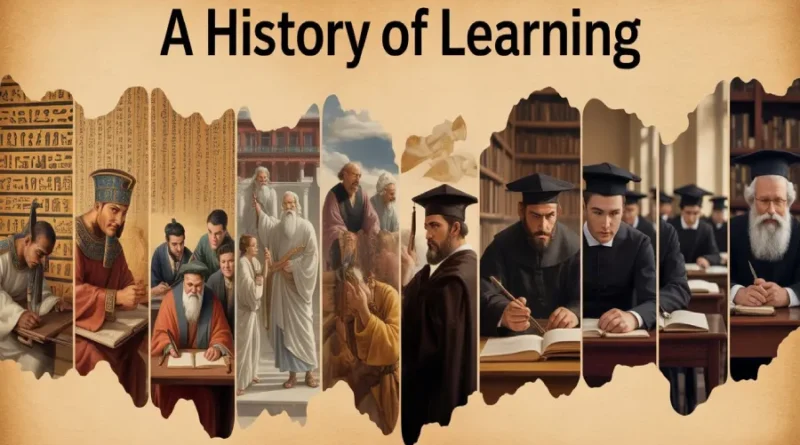
The timeline of schools stretches back thousands of years. In ancient schools of Egypt and Mesopotamia children learned reading, writing and math. India had the gurukula system while Confucius in China opened schools for more than the rich. Greece gave us Plato’s Academy, one of the first places for higher learning. Later medieval universities and the Prussian education system shaped ideas of public education. Finally Horace Mann brought these lessons together to explain who invented schools in the United States through the modern school system.
Ancient Foundations of Education
When we look at the history of education we see that some of the first ancient schools were built in Egypt where scribes learned to read and write on papyrus. In Mesopotamia children studied in “tablet houses” using clay tablets. In India the gurukula system taught students through close study with a teacher. In China Confucius opened schools that welcomed many kinds of learners. Greece added philosophy and higher learning through Plato’s Academy and Aristotle’s Lyceum. Each culture shaped what schools would later become, building the base for the story of who invented schools.
Medieval & Renaissance Education
In the Middle Ages medieval schools were often run by the church. Monastic schools trained monks in reading, writing and copying important texts. Later cathedral schools opened in big cities offering lessons in grammar, logic and religion. By the 12th century the first universities appeared in places like Bologna, Paris and Oxford. These centers of learning prepared leaders, scholars and teachers. During the Renaissance education grew to include art, science and philosophy. This period connected the history of education from religious training to broader knowledge, a key step in understanding who invented schools.
The Prussian Education Model
In the 1700s and 1800s the Prussian education system became a model for many countries. It introduced compulsory education meaning children had to attend school by law. Lessons followed a standardized curriculum with subjects like reading, writing, math and history. Teachers were trained to follow strict methods and classes were organized by age groups. This system made schools more structured and effective but also more controlled. The idea of public schools funded by the government spread worldwide, shaping the history of education and later influencing debates around who invented schools.
Horace Mann & the Common School Movement
In the 1800s Horace Mann became known as the “Father of American Education.” He believed every child should have the right to free learning no matter their family’s wealth. Mann started the common school movement in Massachusetts where schools were tax-funded and open to all children. He pushed for better teacher training and a modern school system that was fair and non-religious. His ideas helped build the first true public schools in the United States. Today many say the answer to who invented schools in the modern sense is Horace Mann.
Global Spread & Variations
After Horace Mann’s reforms the idea of public schools and compulsory education spread around the world. In Europe many countries adopted the Prussian model while in Japan new laws in 1872 required all children to attend school. During the colonial era European powers introduced their school systems to places like India and Africa, mixing local traditions with Western methods. Each region created its own variations in education shaped by culture and history. The global spread of schools proves that the question of who invented schools cannot be answered by one nation alone.
Forgotten “Inventors” of School Elements
When people ask who invented schools they often wonder about other parts of learning too. Many say Roberto Nevilisof Italy created homework in the 1900s but some historians doubt this story. Exams and grades were first used in ancient China to test government workers before spreading worldwide. The idea of summer vacation in schools came later as farming families needed children to help in the fields. Each of these elements homework, exams and vacations shows how the history of education grew step by step with different “inventors” for different school traditions.
Why Was School Invented?
People often ask, why was school invented? The main purpose was to give children skills like reading, writing and math. Early schools also taught religion or prepared leaders for government. Later during the industrial age compulsory education was created to build a stronger workforce and teach social rules. Public schools gave children from all families the chance to learn. Over time the history of education shows that schools were designed not only for knowledge but also to prepare students for life. These reasons explain much of the debate around who invented schools.
How Schools Have Changed Over Time
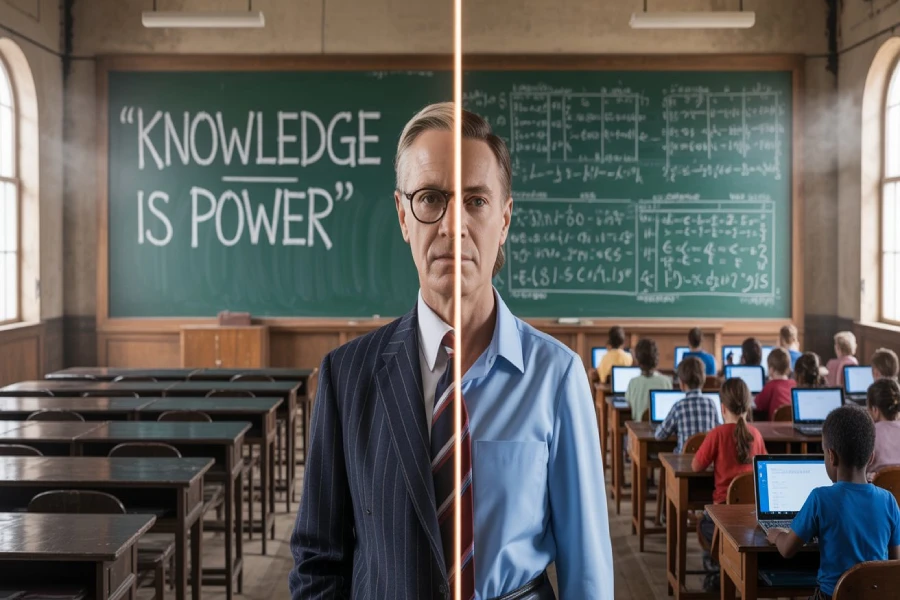
When we look at how schools have changed over time the differences are huge. In the past children learned with chalkboards and simple books. Teachers often focused on memorization and strict rules. Over time the history of education shows a shift toward creativity, science and problem-solving. Today modern schools use computers, smartboards and group projects. With technology students can even attend online schools and join lessons through e-learning platforms. From ancient classrooms to digital spaces exploring who invented schools shows us how learning continues to adapt.
The Future of Schools
The future of schools may look very different from today. Technology is already changing the modern school systemwith digital tools and online schools. In the coming years students may learn with the help of AI tutors that answer questions anytime. Classrooms could focus on personalized learning where each child studies at their own speed and style. Instead of being limited to one building education may connect students across the world. Just like the past the debate on who invented schools reminds us that schools always evolve with society.
FAQs
Q1: Who invented schools?
Ans: No single person invented schools but Horace Mann is often called the father of the modern school system in the U.S.
Q2: Did Plato invent schools?
Ans: No but Plato’s Academy in ancient Greece was one of the first higher learning centers.
Q3: Who invented homework?
Ans: Many believe an Italian teacher Roberto Nevilie created it though the story is debated.
Q4: Who invented summer vacation in schools?
Ans: Summer breaks started because farming families needed children to help in the fields.
Q5: Who invented online schools?
Ans: Online schools grew with the internet especially during the 1990s and the COVID-19 pandemic.
Conclusion
So who invented schools? The answer is not simple. From ancient Egypt, India, China and Greece to the Prussian model and Horace Mann, the history of education shows that schools were built over thousands of years. No single person created the idea but many shaped it into what we know today. The modern school system was designed to give every child a chance to learn and it keeps changing with technology. Looking ahead the future of schools may be even more exciting, proving that education will always grow with society.
Also Visit FineGLob for more quality informative content.